


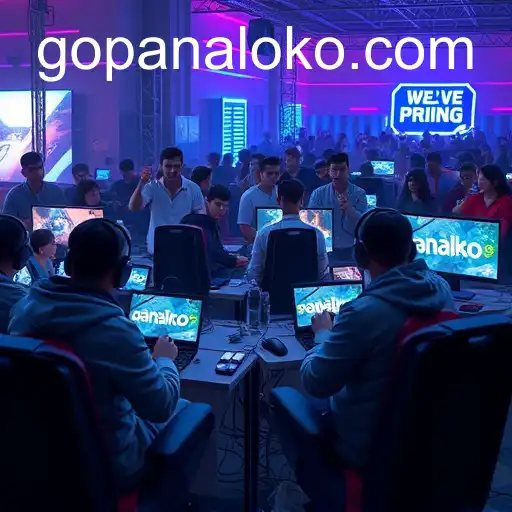
Exploring the impact and influence of online gaming platforms like Panaloko in shaping modern digital communities.
In recent years, the gaming industry has dramatically shifted, with online platforms like Panaloko at the forefront of this digital revolution. As we look around in 2025, gaming is no longer simply about playing; it is about being part of a community. This evolution has redefined social interactions and entertainment, bringing together people from various backgrounds in ever-growing virtual spaces.
Panaloko, known for its comprehensive gaming experience, has gained recognition for fostering interactive and user-friendly environments. This online platform continues to attract millions of users worldwide, who not only come for the games but also to participate in a multitude of community-driven activities that it offers. Many have argued that this shift represents a broader trend towards creating inclusive, creative, and socially interactive experiences.
Recent analyses have shown a significant increase in the number of users engaging in collaborative activities, such as co-op games and live streaming. This surge points towards a dynamic shift from passive entertainment to interactive participation, whereby players are not just consumers of content, but active contributors and co-creators.
Beyond entertainment, platforms like Panaloko are acting as crucibles for new forms of communication and marketing strategies. Brands are exploring these vibrant communities for advertising and engagement opportunities. By harnessing the power of gaming communities, companies can tap into a diverse audience, utilizing creative strategies that resonate with the unique culture of gamers.
However, these rapid advancements are not without challenges. The rise of online gaming communities raises concerns regarding data privacy, mental health, and online safety. Stakeholders are increasingly tasked with creating supportive environments that safeguard user information and promote positive interactions.
As Panaloko and similar platforms adapt to these challenges, they continue to shape the future of digital interactions. Whether through introducing advanced AI for moderation or integrating with augmented reality formats, the potential for growth remains vast. The future of gaming lies not just in technological advancements but in the capacity to build enriching and secure communities that connect people across the globe.

